


Virtual Intelligence Creating Augmented Safety
Physical AI that acts before the incident
See. Understand. Predict. Intervene.
VICAS™ turns the cameras on your vehicles, plant and perimeter into a real-time physical AI system: edge AI that detects collision risk, missing PPE and process violations, and intervenes at the point of risk rather than after the fact.
VICAS™ is an AI vision system that watches the parts of an operation people cannot watch continuously. It runs on the equipment itself, so blind-zone intrusions, unsafe human-vehicle proximity, missing PPE, restricted-zone entry and process violations are detected and alerted in-cab within a moment, with no dependence on site connectivity.
Every event is scored, mapped and pushed to a safety dashboard, so HSE teams move from investigating incidents afterwards to preventing them. VICAS™ is deployed across mining, construction, oil and gas, manufacturing and airport operations.
Why supervision alone stops working
Most serious industrial injuries are not caused by a failure of intent. They happen because a person and a moving machine occupied the same space for two seconds, and nobody was in a position to see it coming. Blind zones, night shifts, dust, fatigue and the sheer number of simultaneous movements on an active site defeat supervision, however good the safety culture.
VICAS™ closes that gap. It applies computer vision to the camera feeds an operation already has, or to cameras fitted to vehicles and fixed points, and runs the detection models at the edge, on the equipment. Because inference happens locally, the alert reaches the driver or the operator in the moment it matters, not after a round trip to a server, and it keeps working when the site network does not.
Every detection is more than an alarm. Events are classified, risk-scored, located and trended, producing a live picture of where an operation is actually generating risk: which zone, which shift, which interaction, which vehicle. That is the difference between a safety report and a safety system.
On the machine. Over the site. Or both.
Collision avoidance for heavy mobility
Edge units ride on excavators, loaders, dumpers, forklifts and cranes. Warning and danger zones move with the machine, and alerts go to the operator in the cab rather than to a manager somewhere else.
- 360° blind-zone coverage, up to three cameras per machine
- Sensor fusion across GPS, gyroscope and CAN bus telematics
- Holds detection through dust, glare, rain and vibration
Worker and site safety from any camera
The same models run on fixed and CCTV cameras covering plant floors, warehouses, gates and restricted zones, checking PPE compliance, zone intrusion, unattended materials and human-machine proximity.
- PPE detection for hard hat, vest, gloves and safety footwear
- Geofenced zones with behavioural hazard detection
- Runs on existing CCTV, with no rip and replace
Real cameras, bolted to real machines
No renders. Each edge camera and its wiring are mounted directly on the equipment, on the canopy, boom and operator platform, so coverage moves with the machine and survives the same dust, vibration and weather it does.
Boom-mounted cameras
Cameras and warning beacons clamp directly onto the boom and hydraulic lines, covering the machine's working edge.
Canopy and cab hardware
The edge compute box, in-cab display and rear-facing camera share the canopy with the operator, wired into a single housed unit.
Operator-side console
The edge unit and display sit within the operator's reach, so alerts are seen in the moment they matter, not after the shift.
Cameras on the machine, at access gates and over critical zones feed one or more edge devices mounted on the equipment.
Detection and risk scoring run locally on Intel silicon. When a risk is identified, the system alerts the operator via visual cues on the in-cab display alongside clear voice prompts.
Events sync over 4G or 5G to the platform, where they are mapped, trended and pushed to email, SMS and the control room.
Every near-miss becomes a data point. Every data point prevents the next incident.
Events are classified, risk-scored and located, then trended by zone, shift, unit and interaction type. What comes out is not a monthly summary of what went wrong. It is a live map of where the operation is generating risk right now.
- Near-miss and PPE compliance analytics
- Site and fleet map with live incident pins
- Incident records with downloadable evidence
- Filters by zone, geofence, unit, camera and risk level
OEM Agnostic
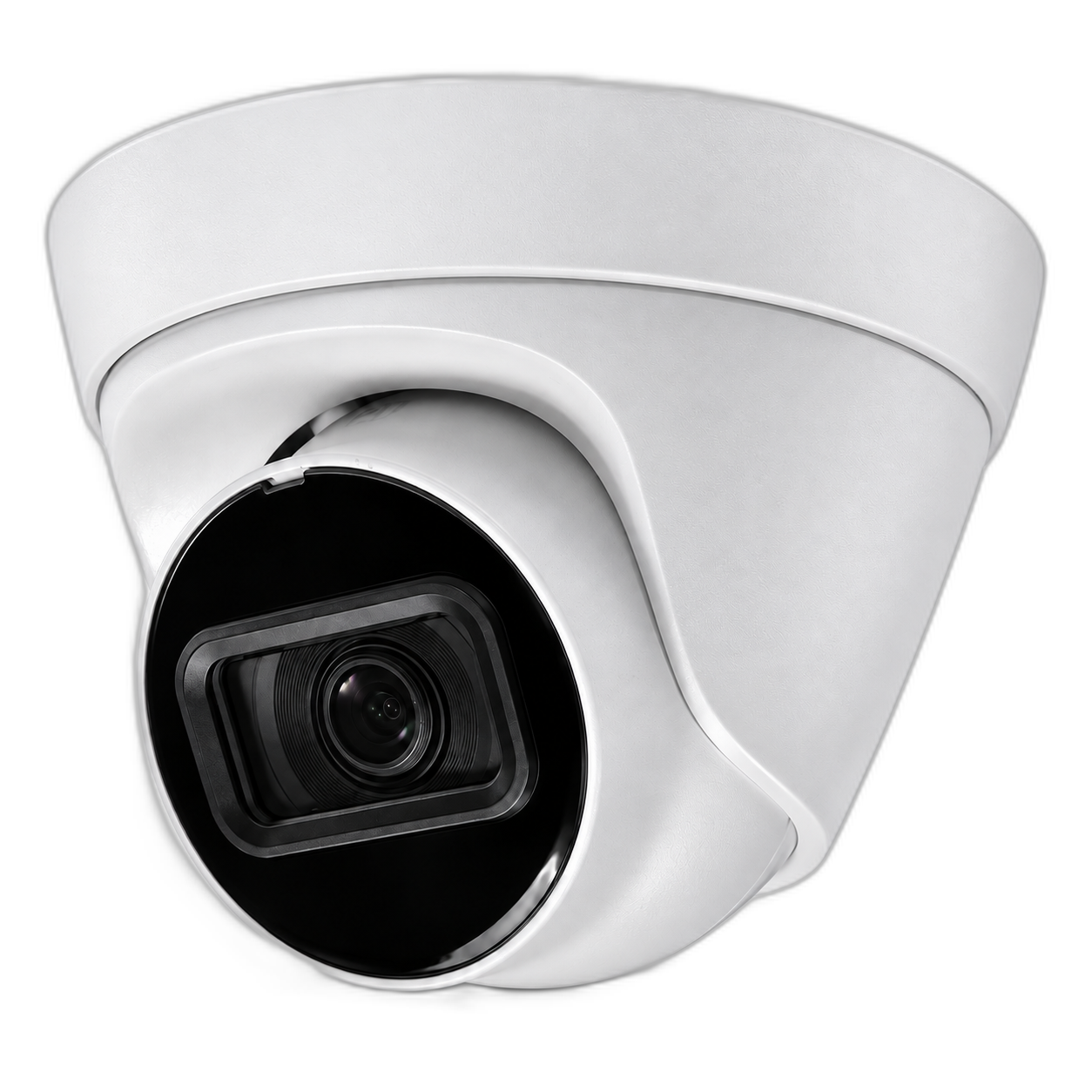
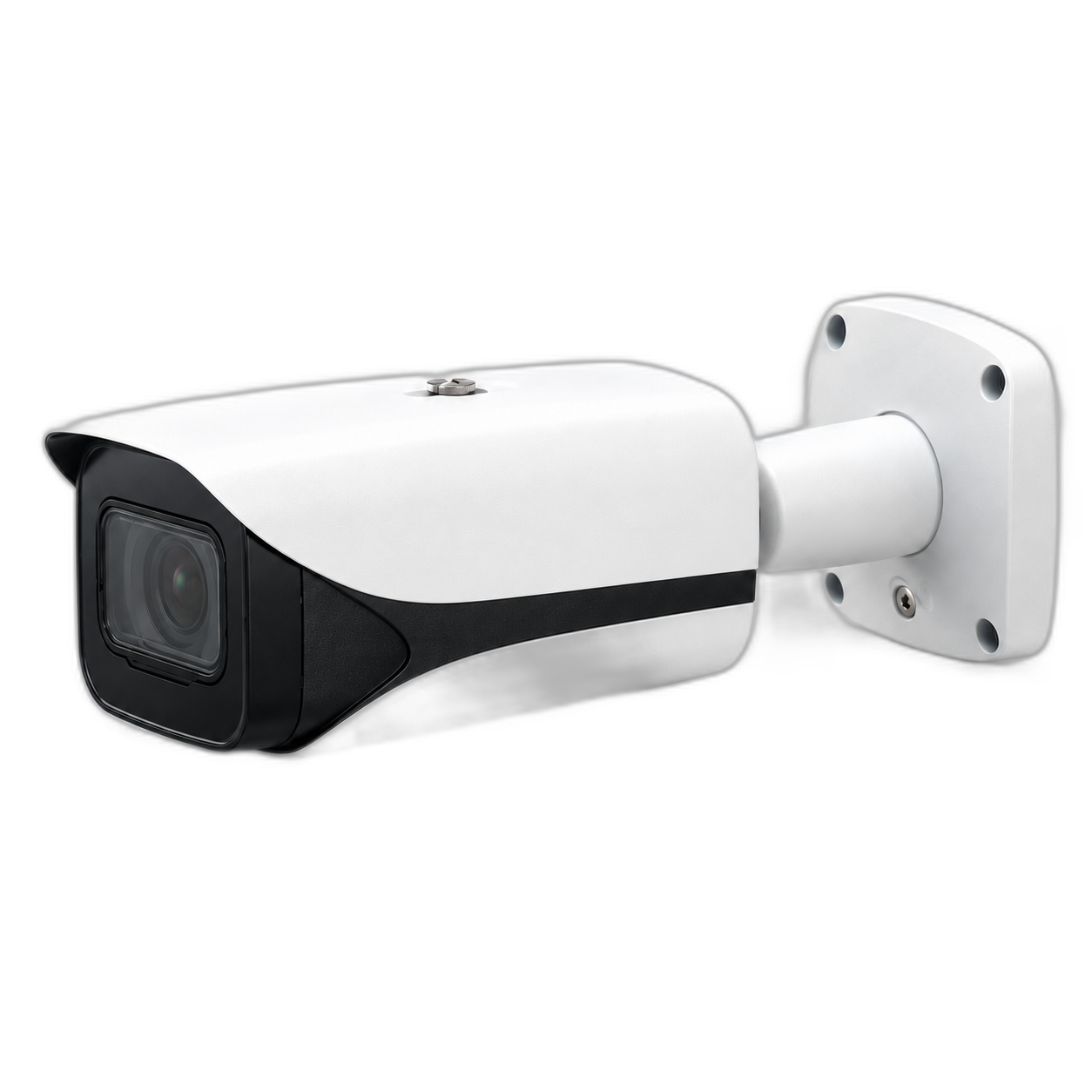
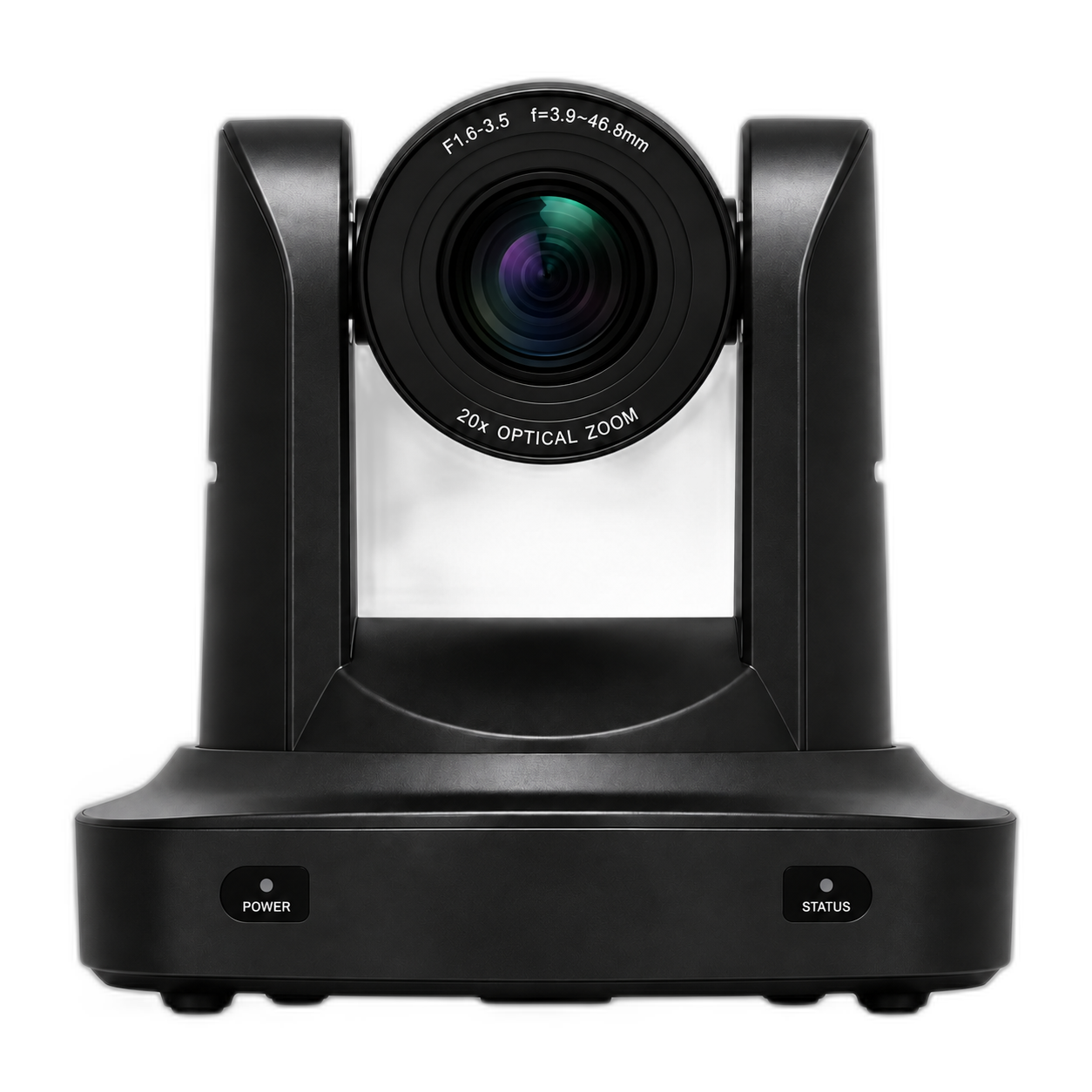
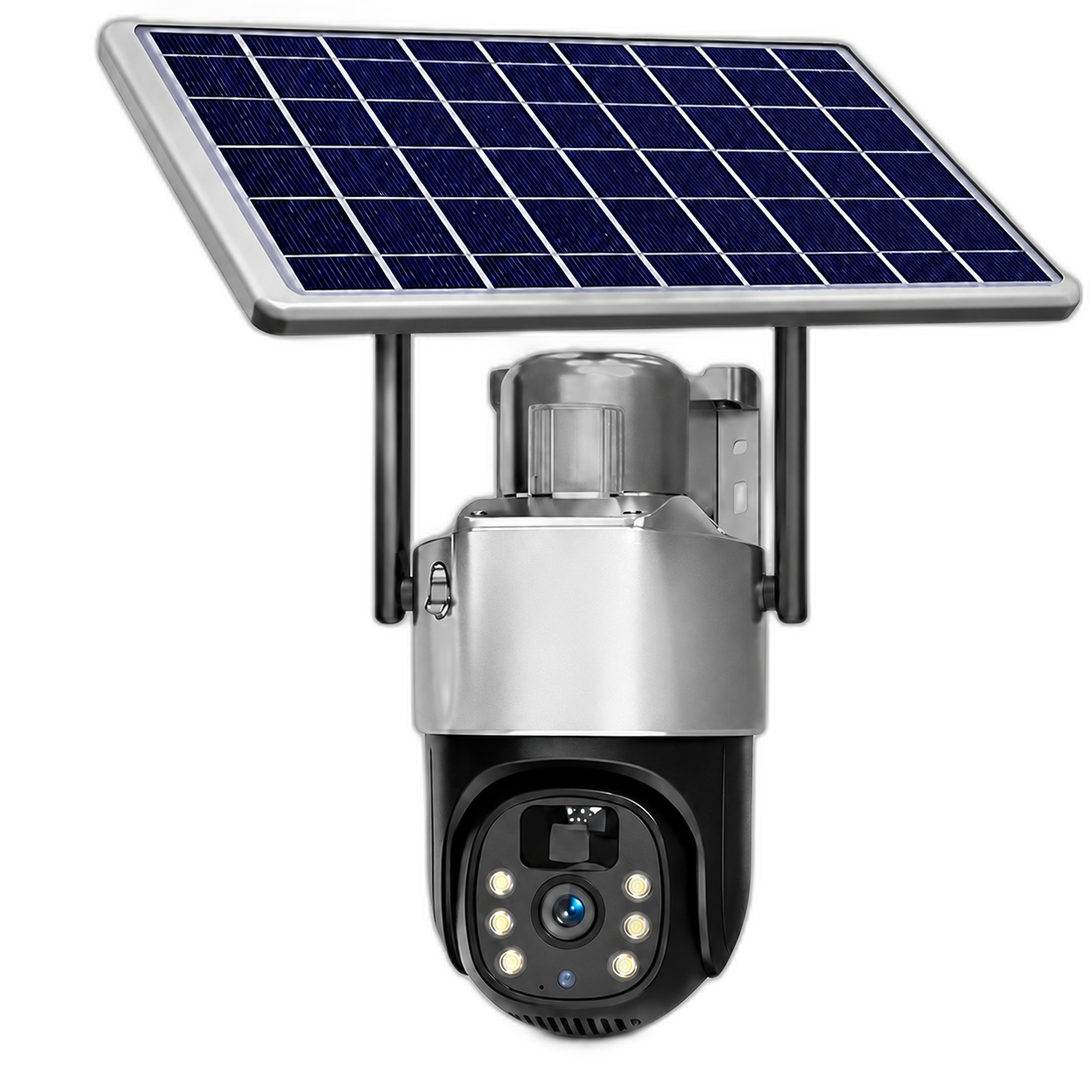
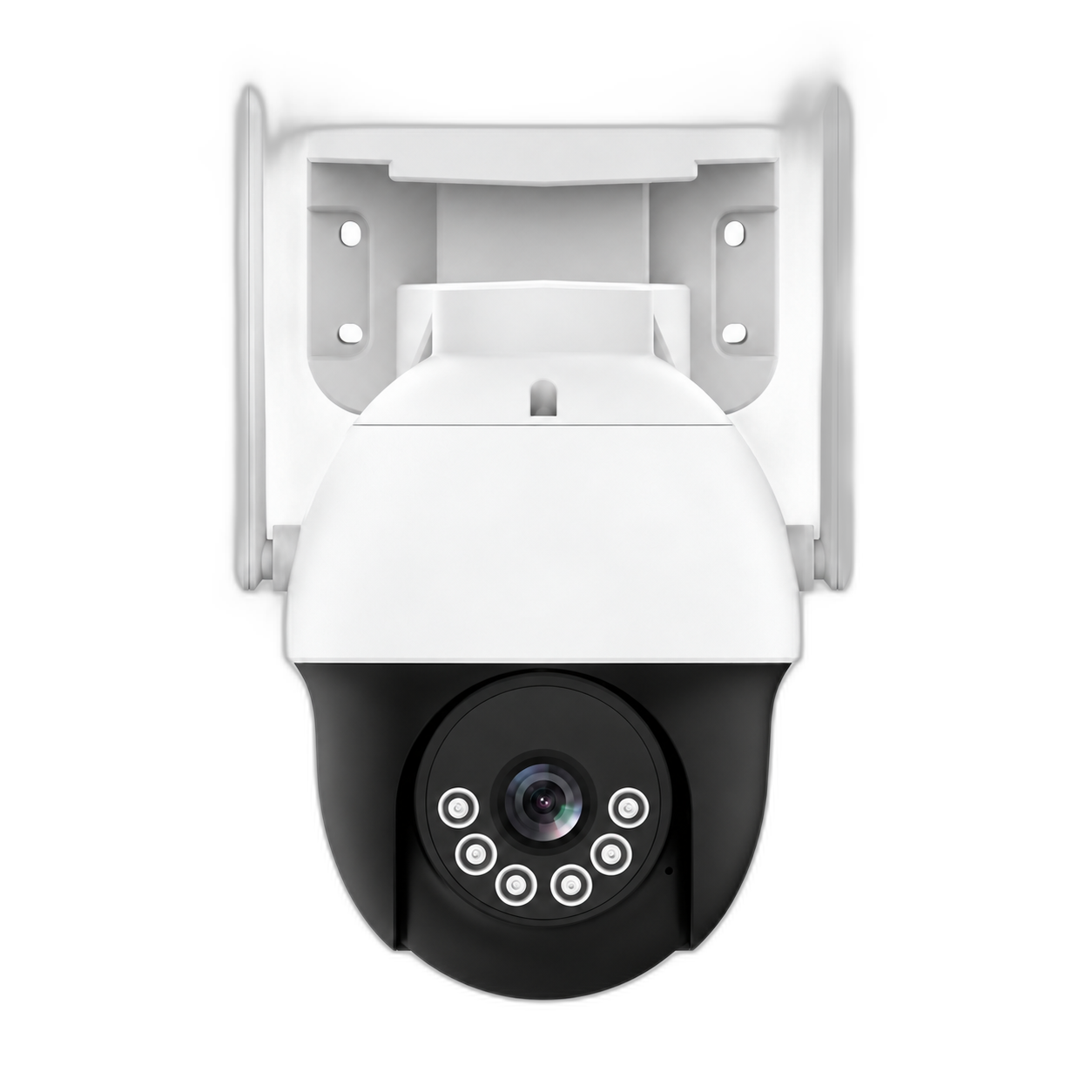
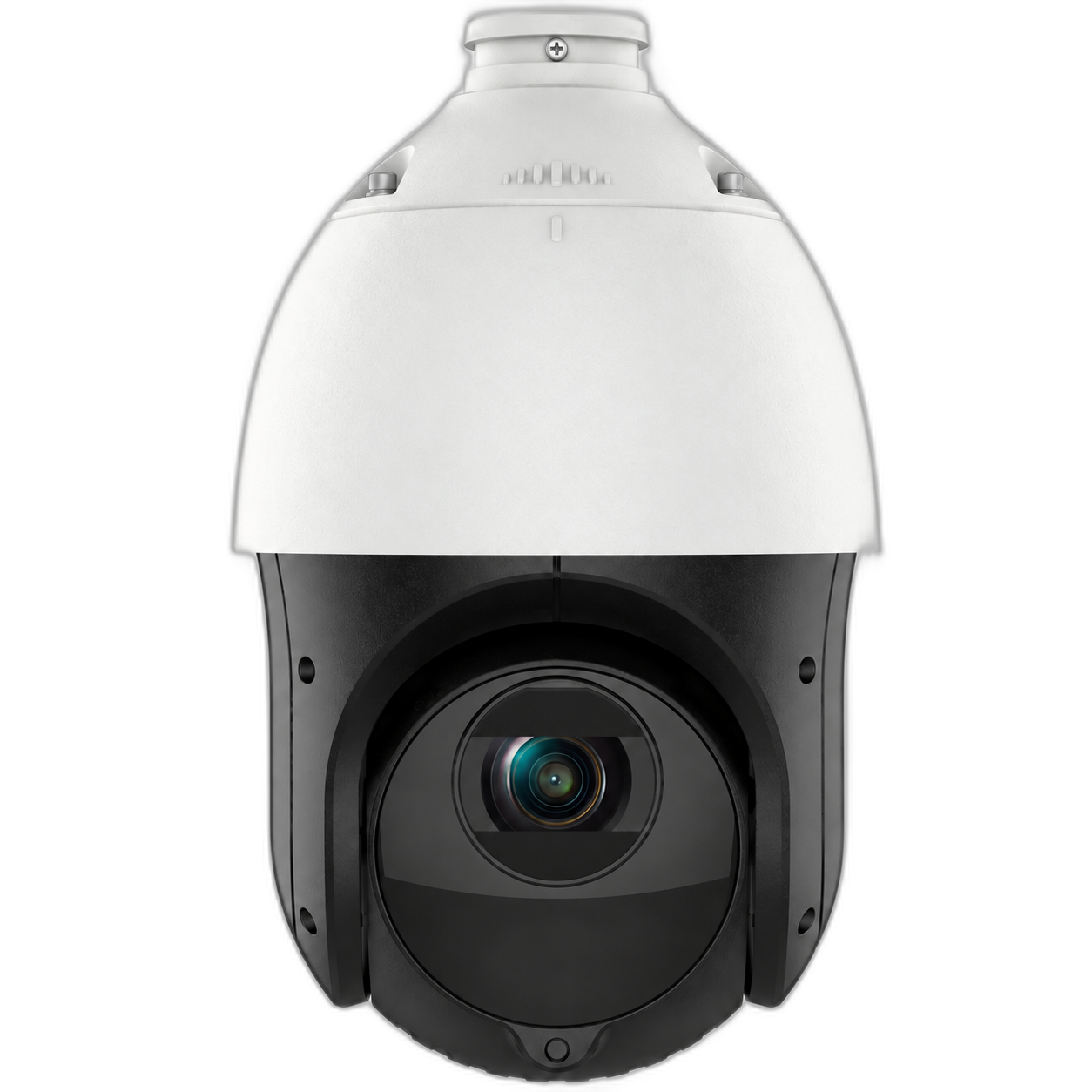
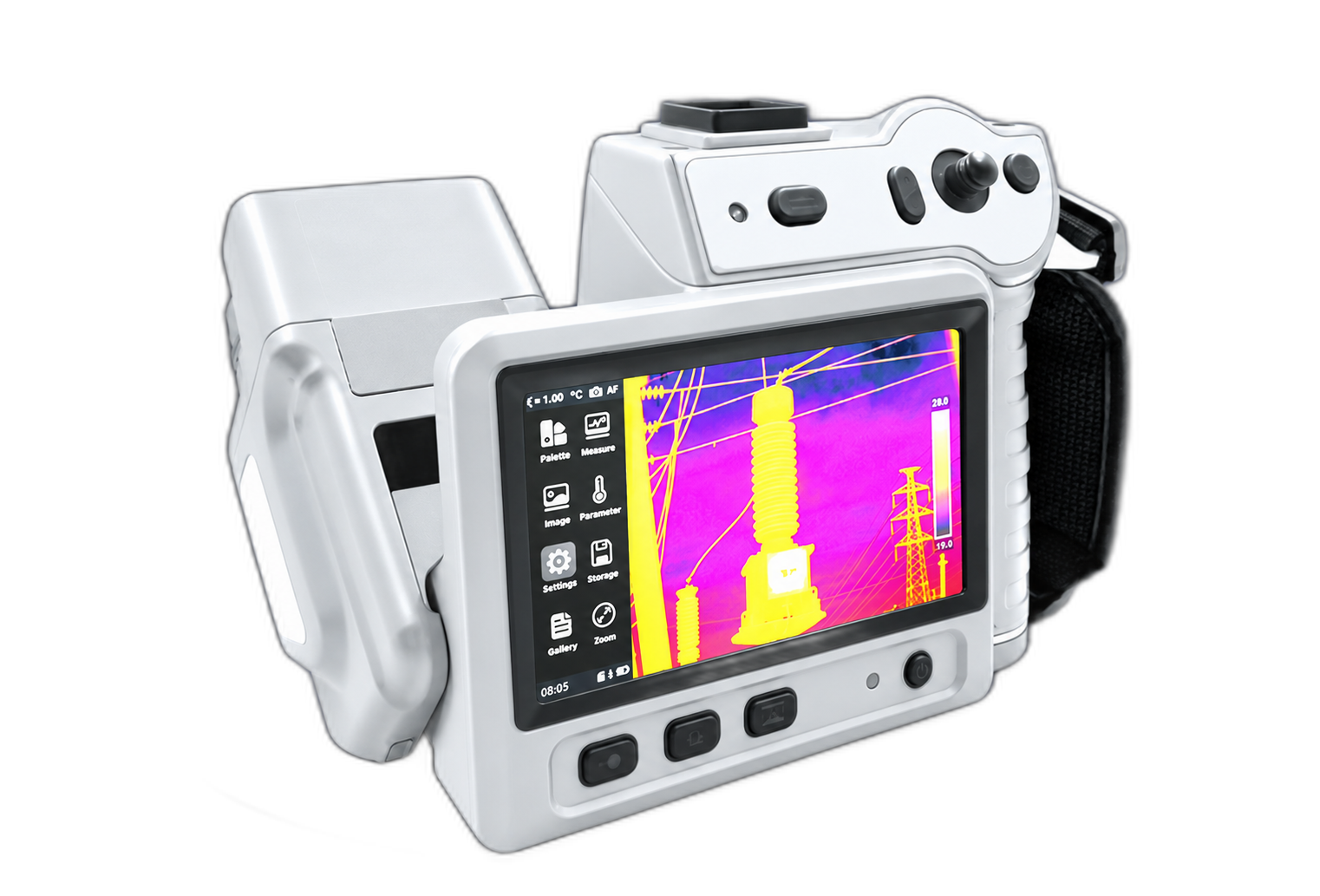
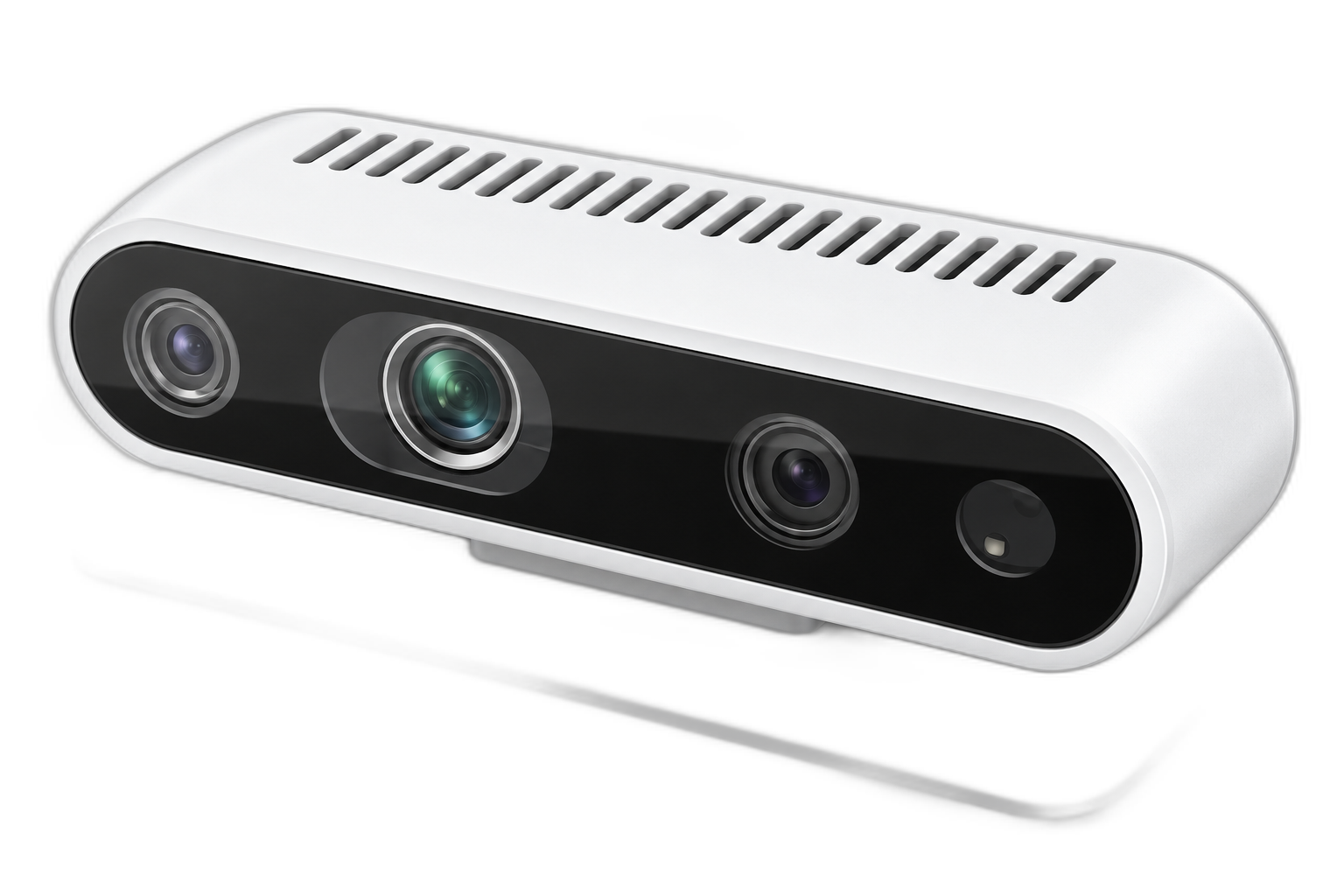
VICAS™ works with any camera or sensor brand: LivNSense's own lineup, a site's existing CCTV estate, or a mix of both, all feeding into the same edge hub.
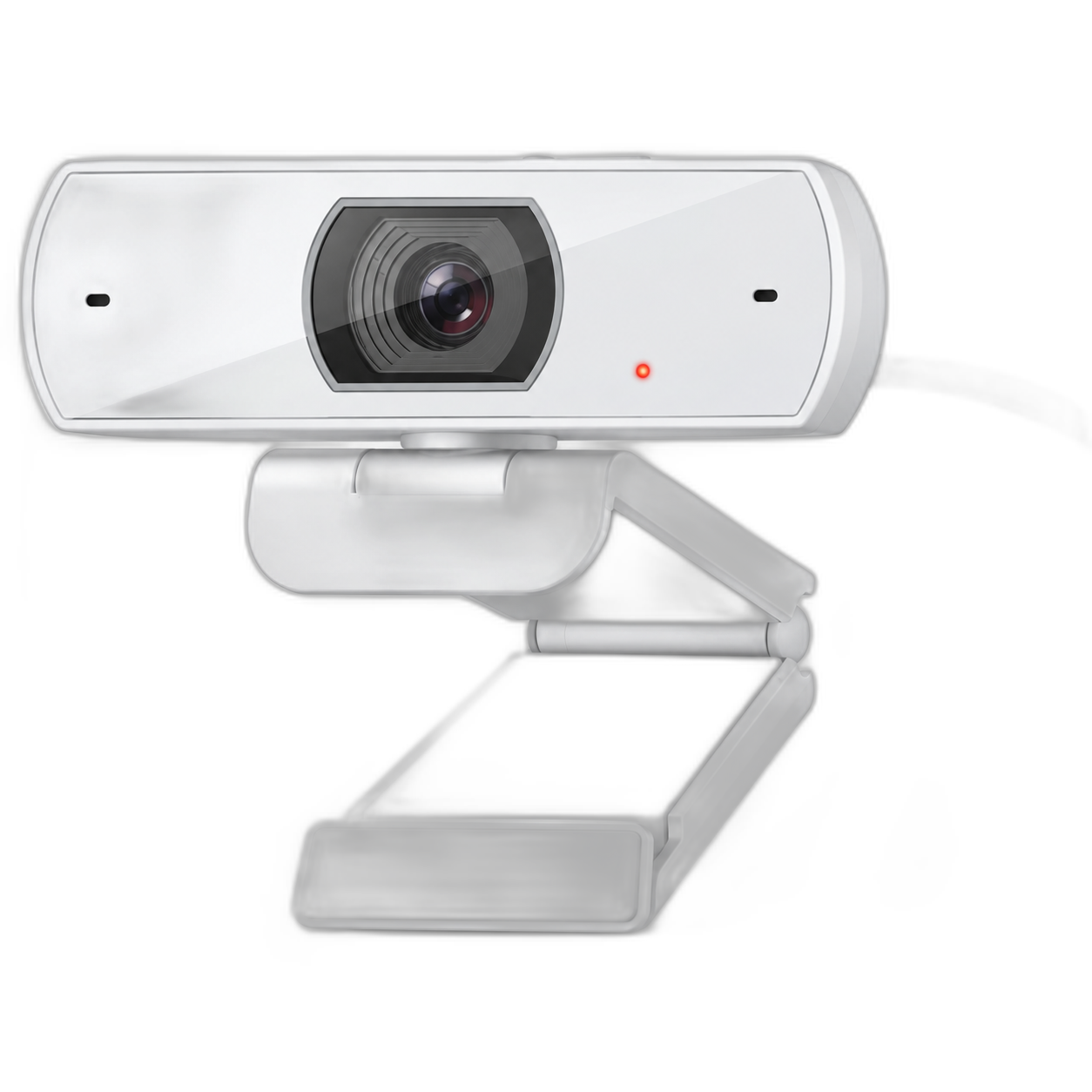
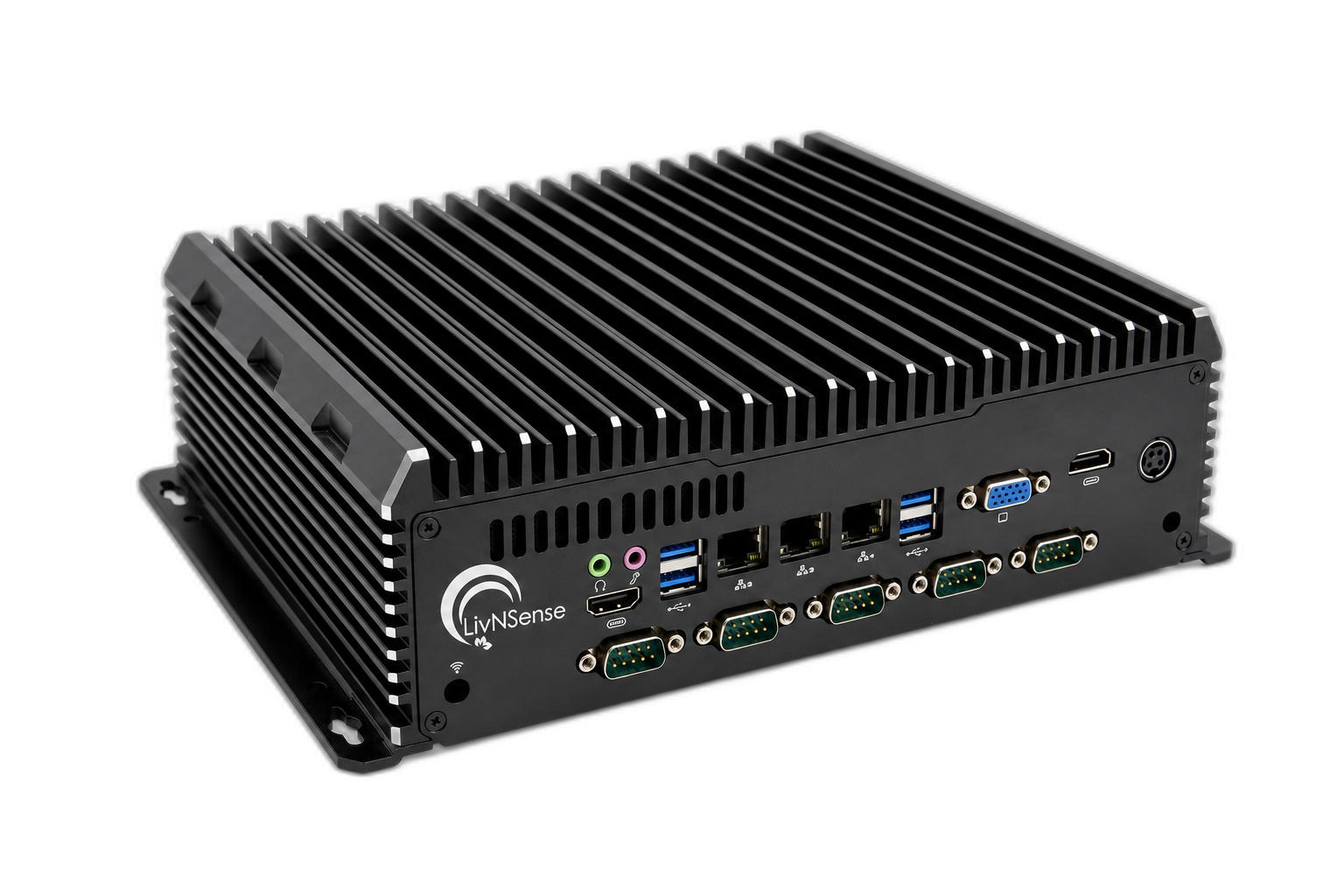
The platforms VICAS™ ships on
Which unit goes on depends on where it has to survive: a vehicle cab, a plant floor or a control room.
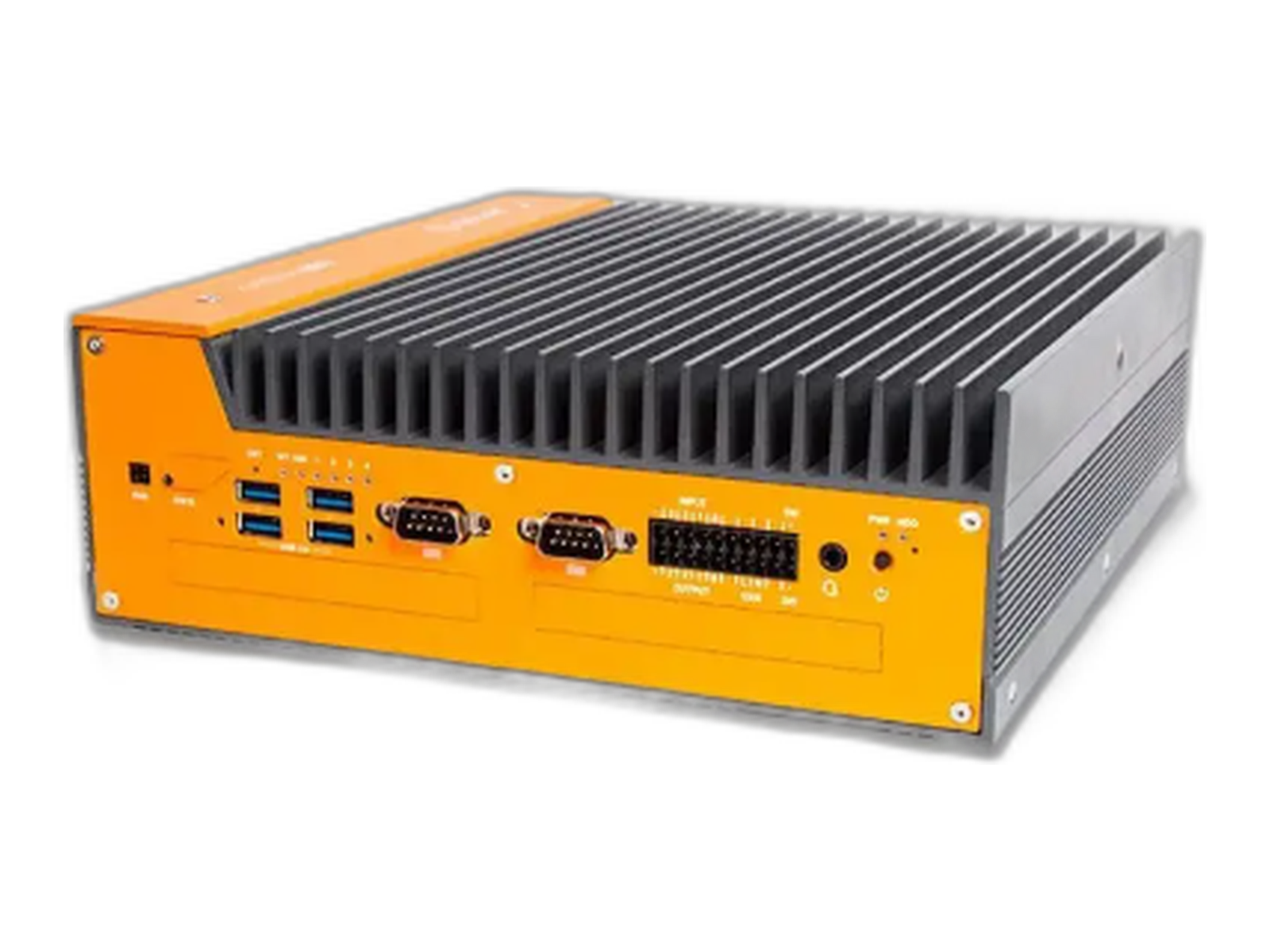
OnLogic Karbon 802
- Processor
- Intel 12th Gen, up to Core i9-12900E, 16 cores, to 5 GHz
- Memory
- Up to 64 GB DDR4-3200, ECC or non-ECC
- Storage
- M.2 PCIe Gen 4 x4 and SATA, optional hot-swap 2.5in
- Operating temperature
- −40 to 70°C with a 35W CPU; −40 to 50°C at 65W
- Shock and vibration
- IEC 60068-2-27 and 2-64, MIL-STD-810G
- Power
- 12–48V DC, 5-pin terminal block
- Networking
- Up to 14 LAN: 6x 2.5GbE, 8x 1GbE, PoE+ on up to 10
- I/O
- 6x USB 3.2 Gen 2, 2x DisplayPort, 2x COM, GPIO and CAN, 2x SIM
- Dimensions
- 240 x 82 x 267 mm