
Physical AI for Industrial Safety
Physical AI that acts
before the incident
See. Understand. Predict. Intervene.
VICAS™ turns the cameras on your vehicles, plant and perimeter into a real-time physical AI system: edge AI that detects people, machines, hazards and intent, and intervenes at the point of risk, in the moment milliseconds matter.
Deployed where the risk is
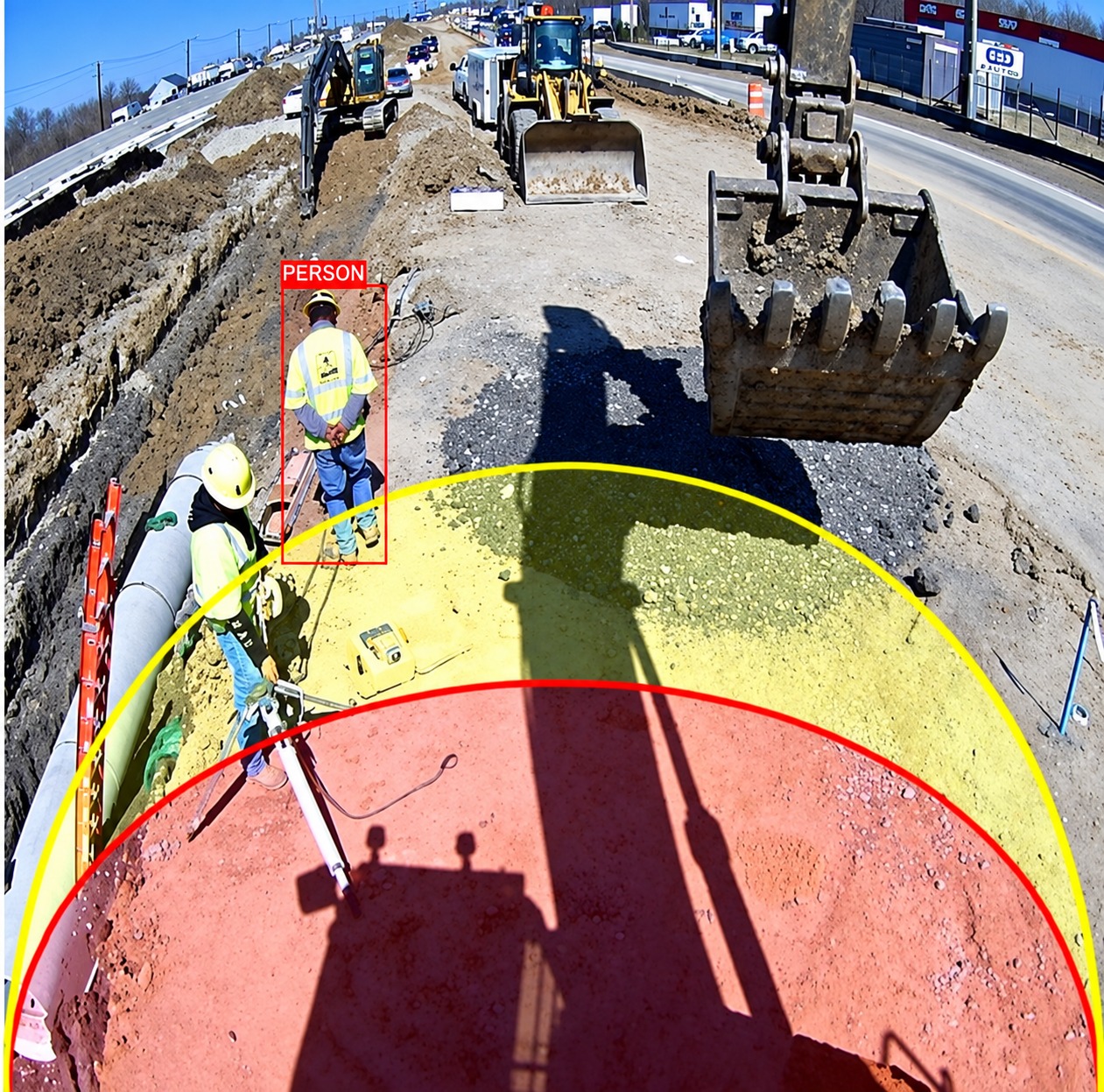
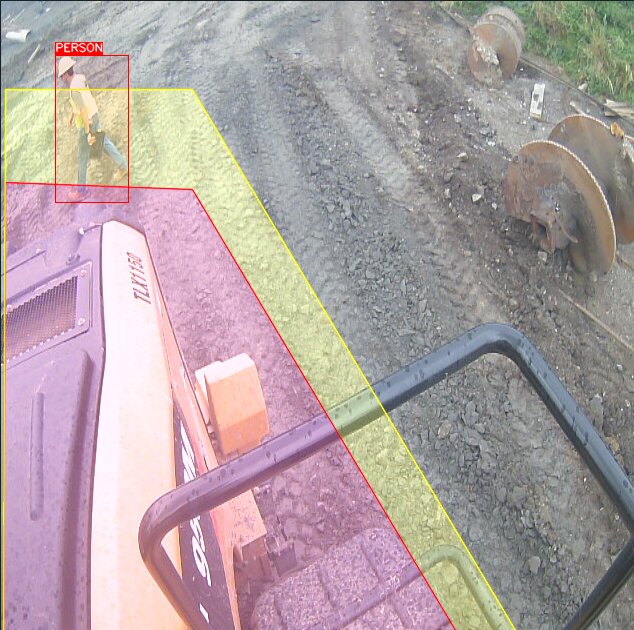
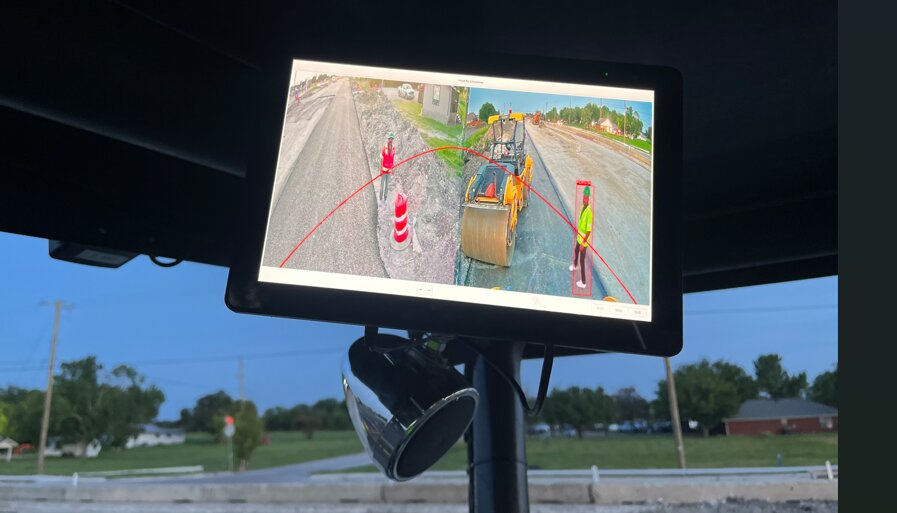
Blind-zone alerts on moving plant, day or night.
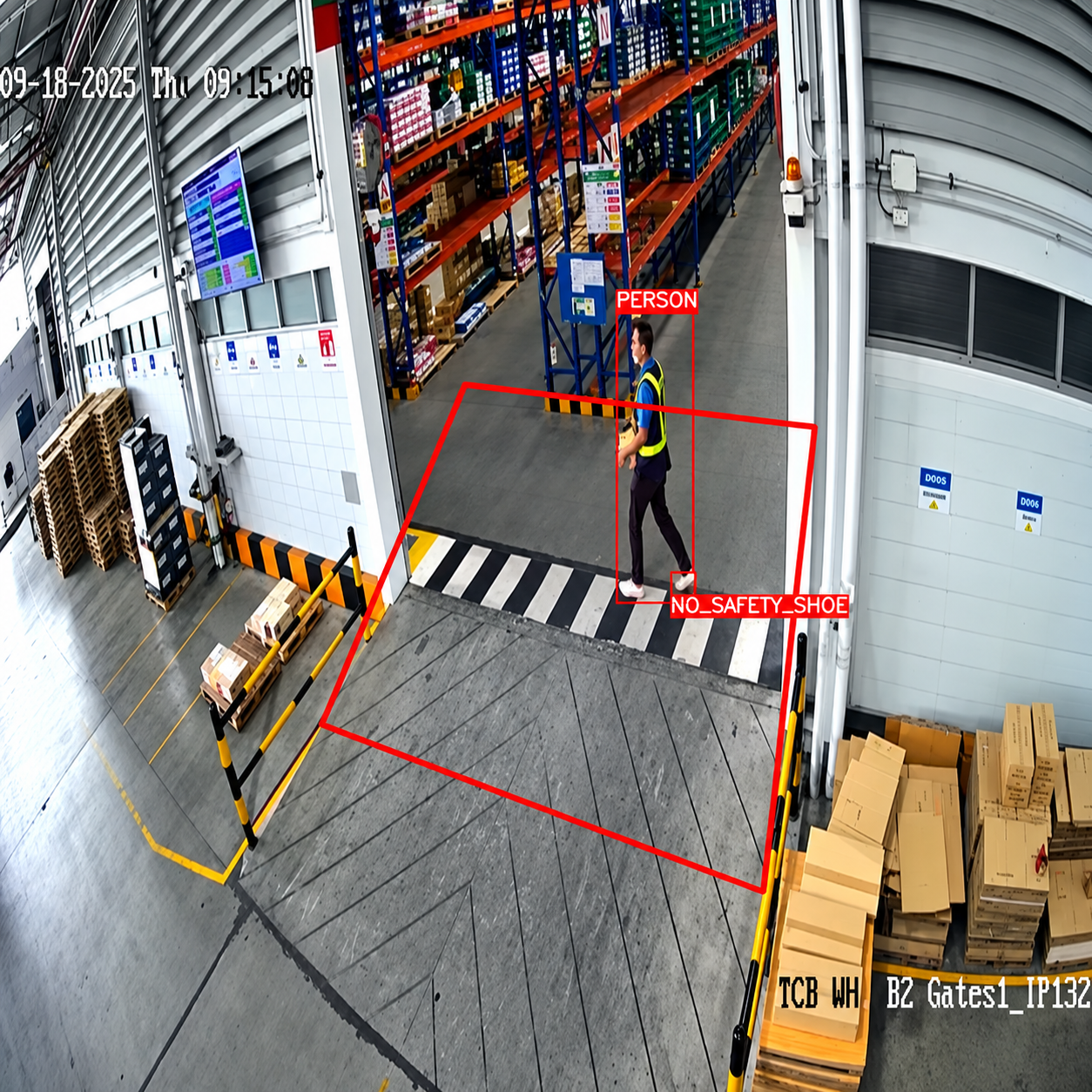
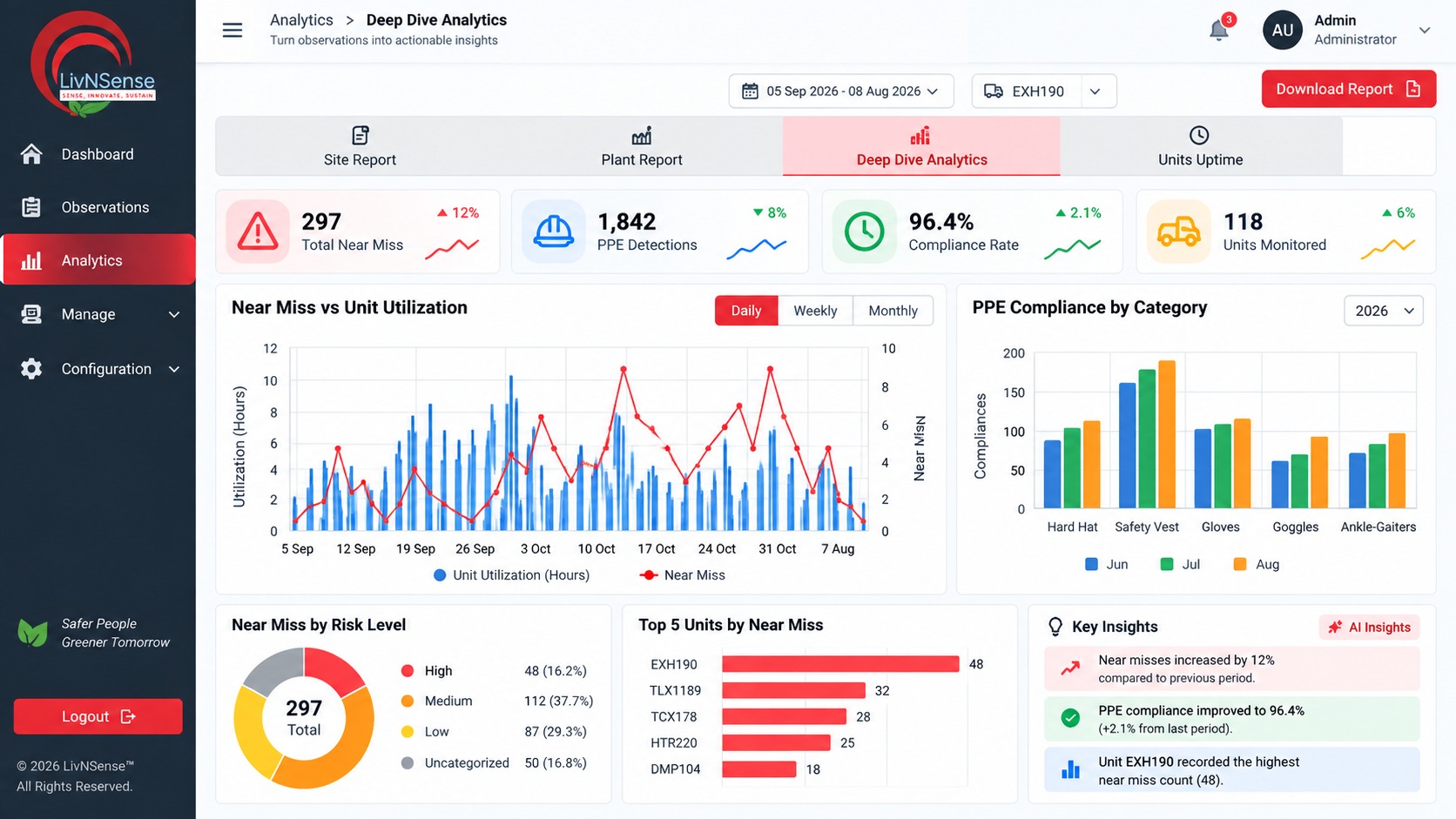
PPE compliance checked automatically at every gate.
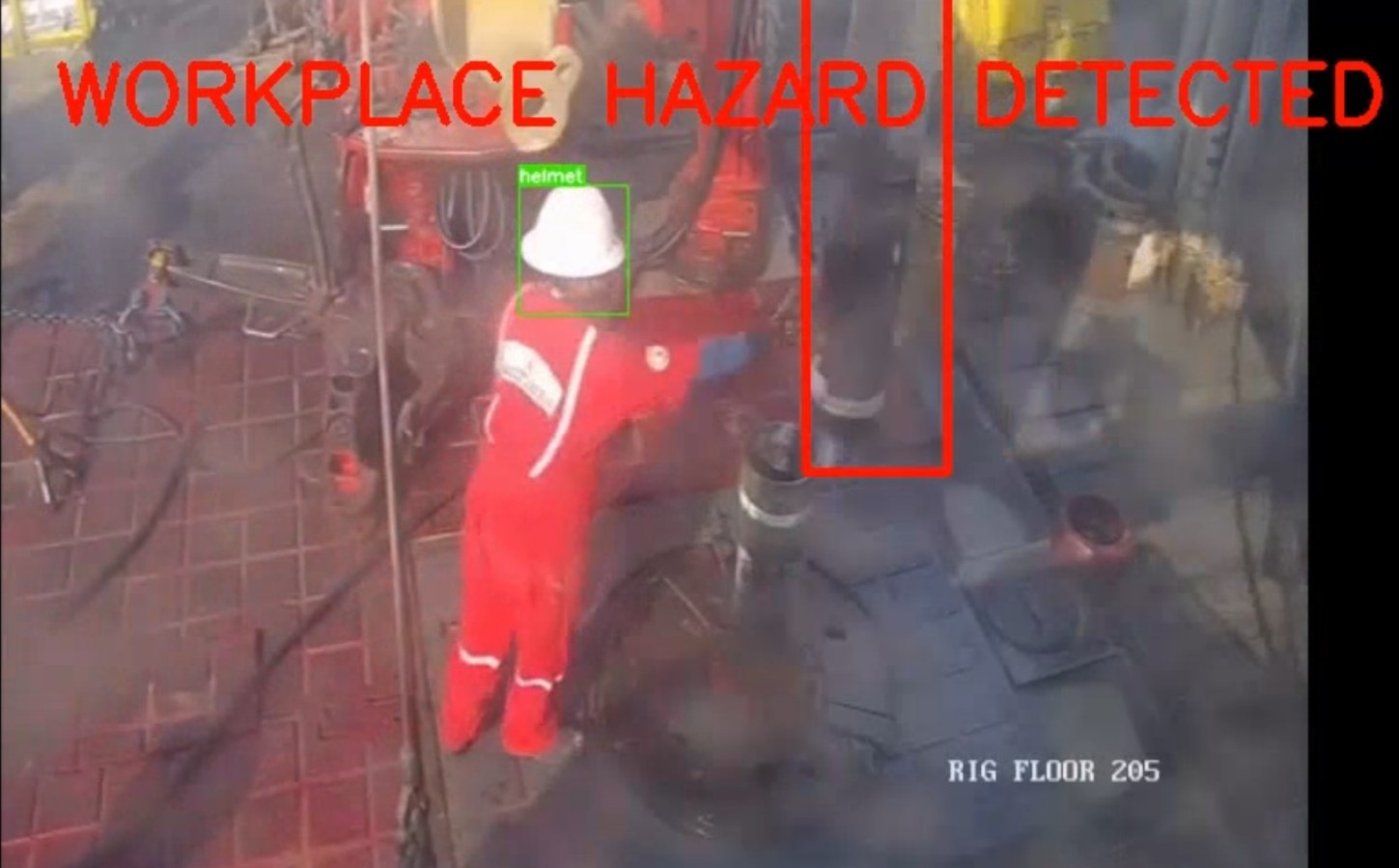
Line-of-fire and red-zone breaches flagged live.
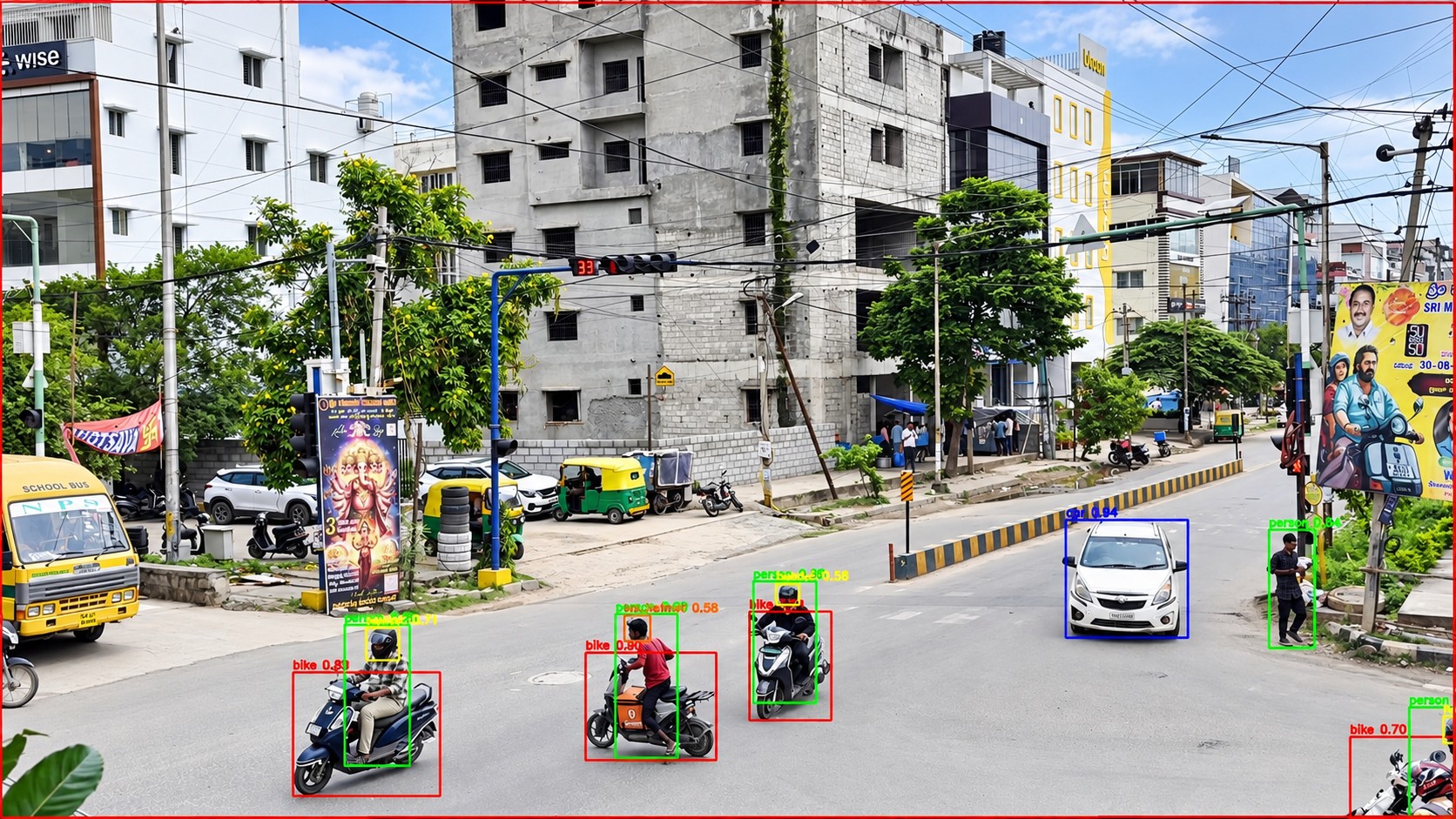
Vehicle classification and violations, at city scale.
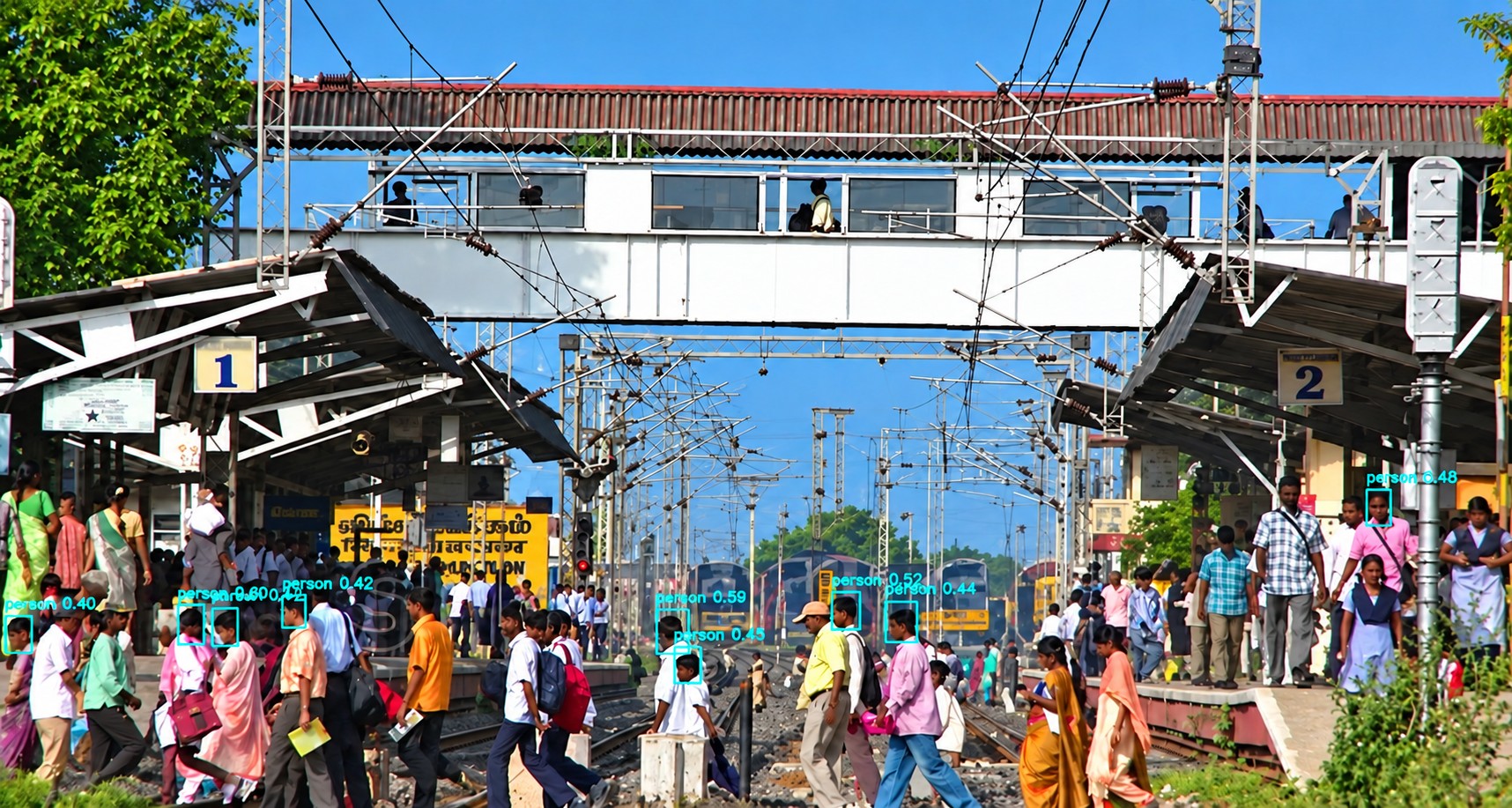
Platform density seen while it is still building.
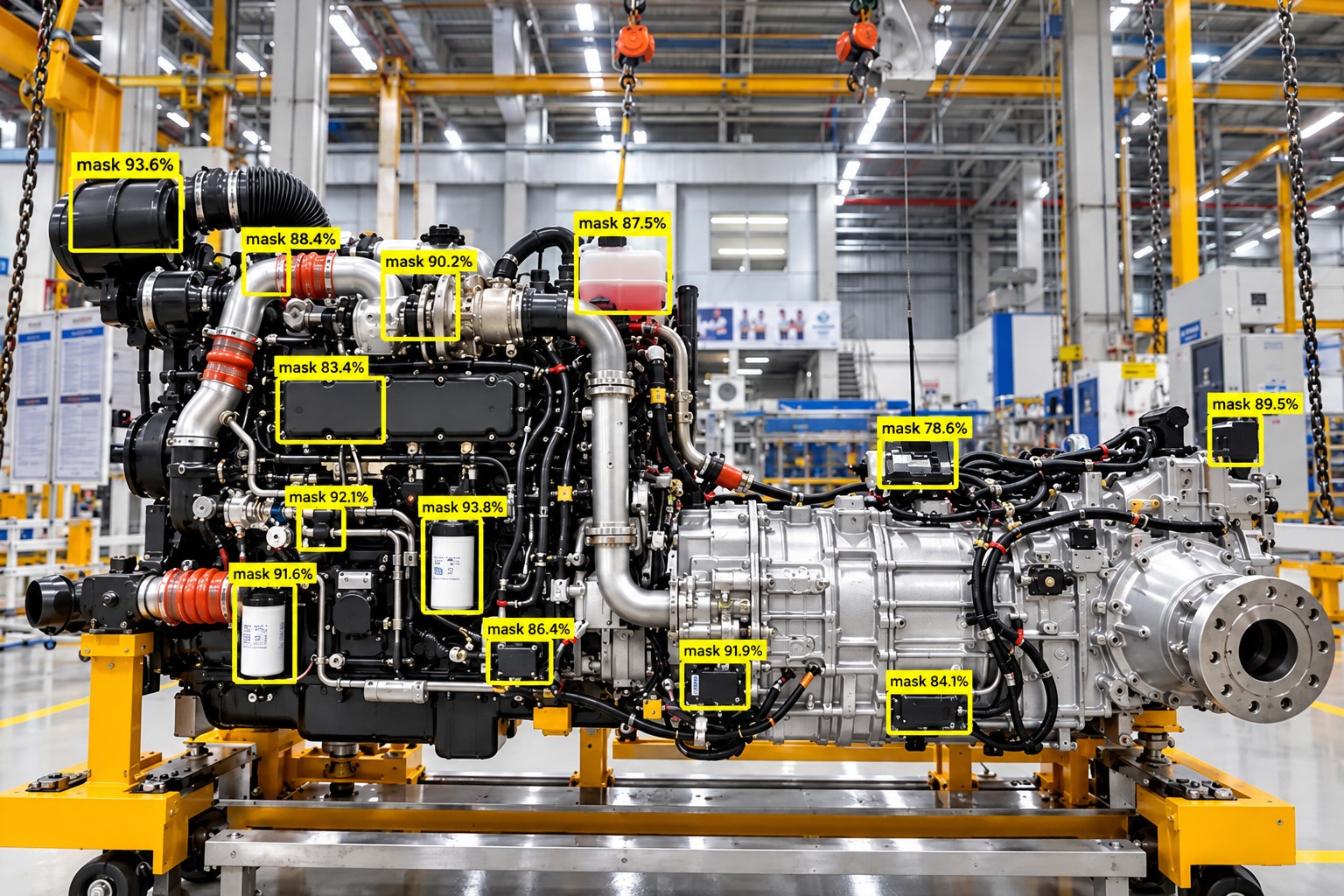
Face-mask compliance tracked across the assembly bay.
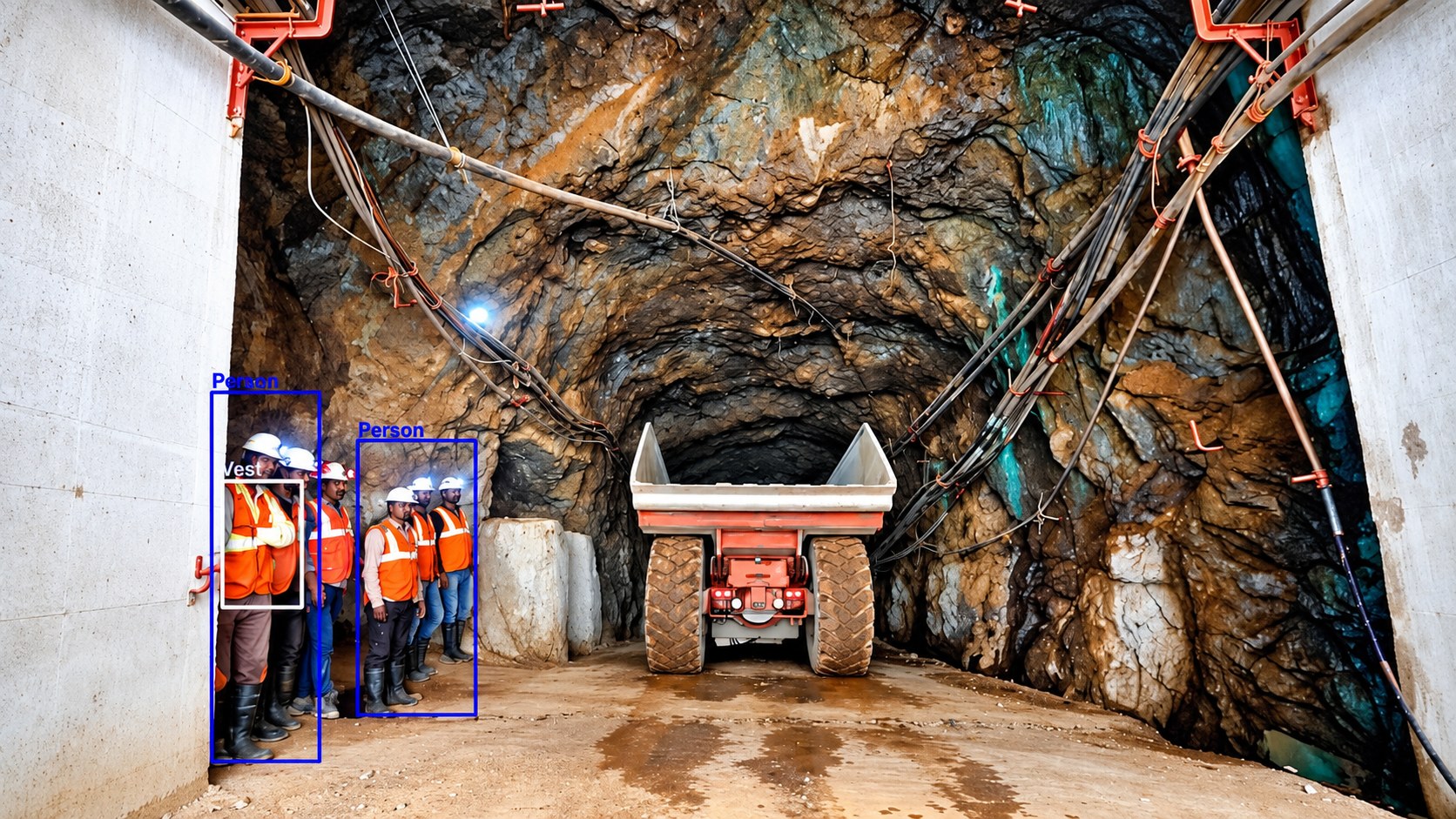
PPE compliance streamed live from the pit over private 5G.
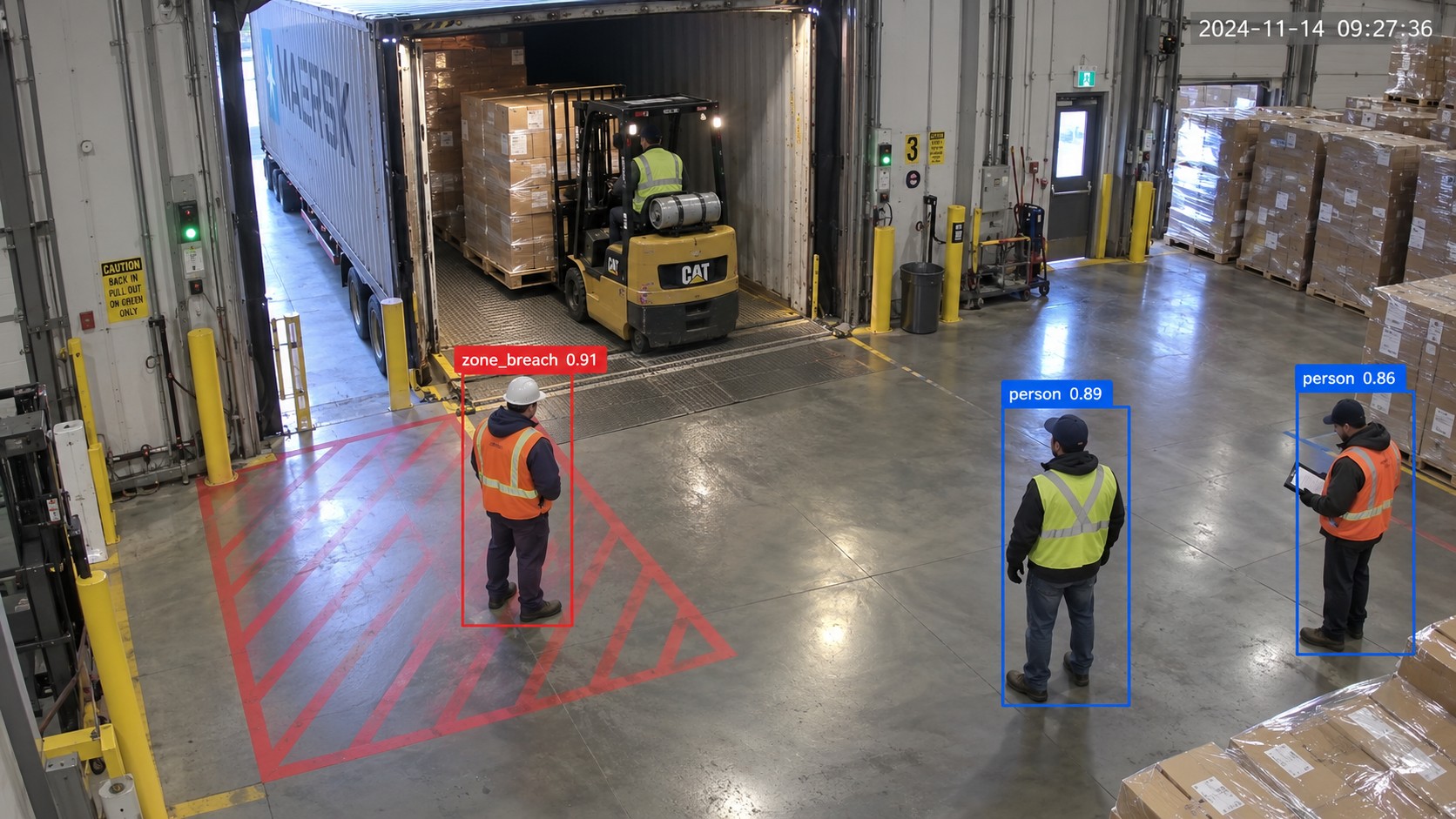
Blind-zone alerts on MHE, PPE checked at every gate.
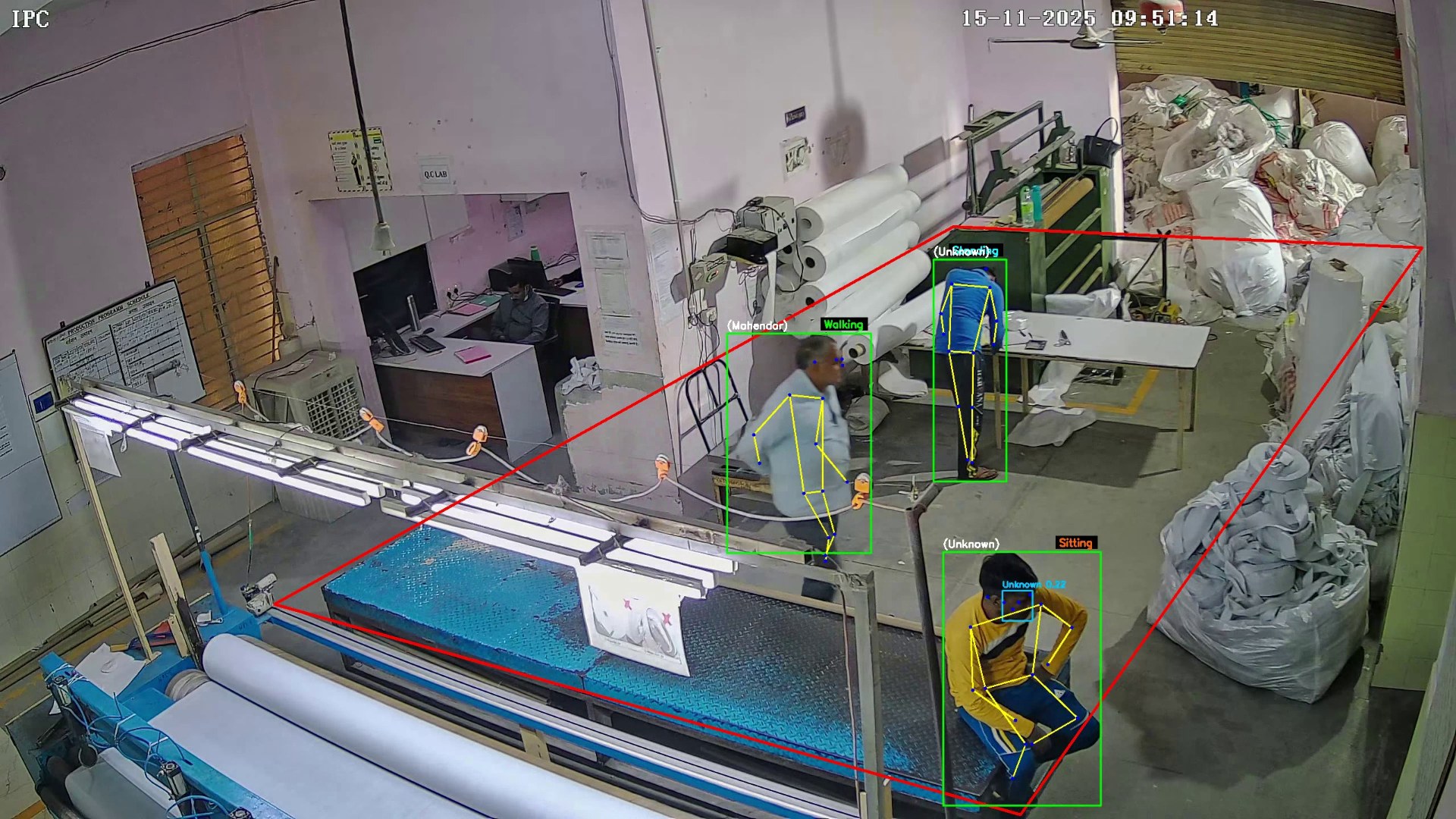
Worker productivity and safety from your existing CCTV.
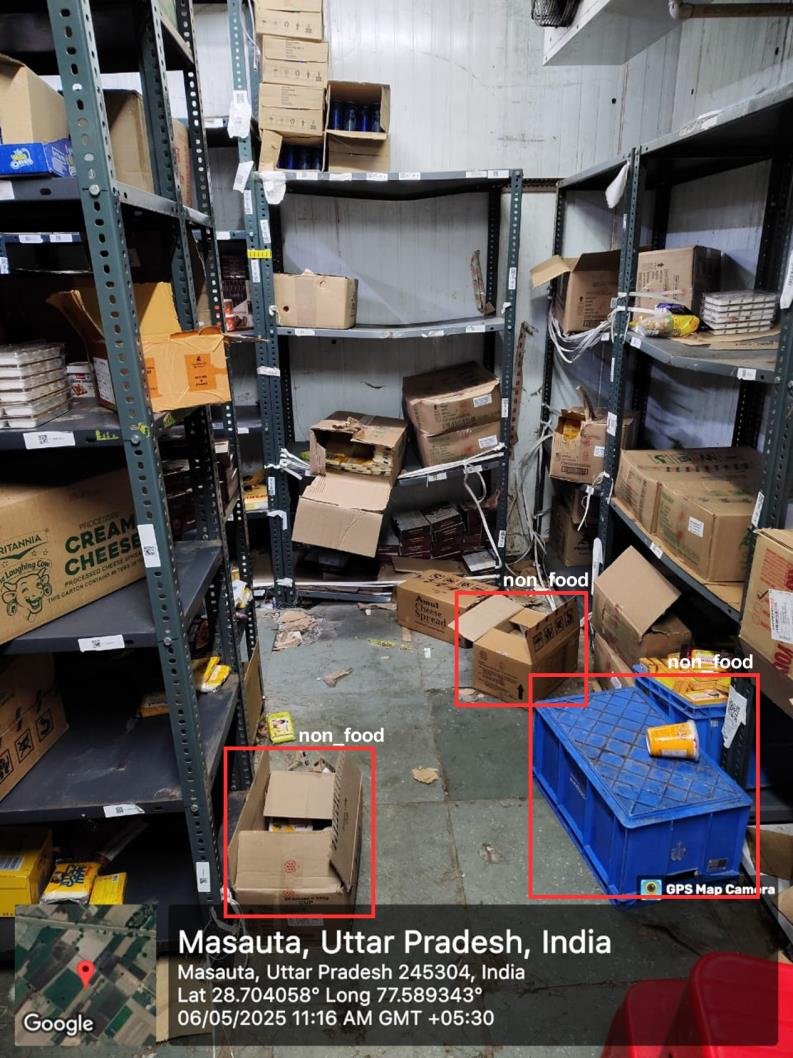
Hygiene and EHS audits from your existing CCTV.
- 100+
- Machines and cameras protected
- 25+
- Industrial sites live globally
- 125+
- IP assets in industrial AI
- 70–80%
- Reduction in on-site accidents
The blind spot is measured in seconds
A worker. A moving machine. One blind spot. Two seconds. Most serious industrial injuries are not a failure of intent. They happen because a person and a machine occupied the same space, and nobody was in a position to see it coming.
Blind zones, night shifts, dust, fatigue and the sheer number of simultaneous movements on an active site defeat supervision, however good the safety culture. Detection alone is not enough, and neither is prediction on its own. VICAS™ acts in the moment that matters.
See how VICAS™ closes the gap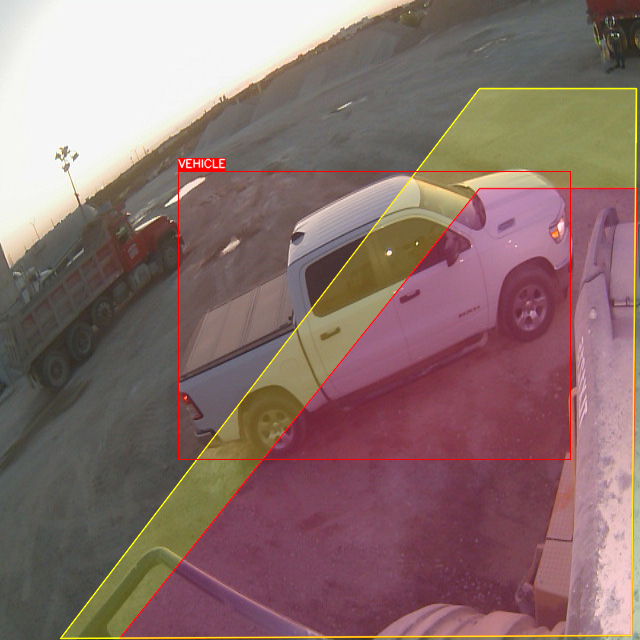
From seeing to intervening
VICAS™ is not another camera watching footage. It is physical AI running at the edge, on the equipment itself, in four layers that take a scene from a raw video feed to an action the operator can take before the incident happens.
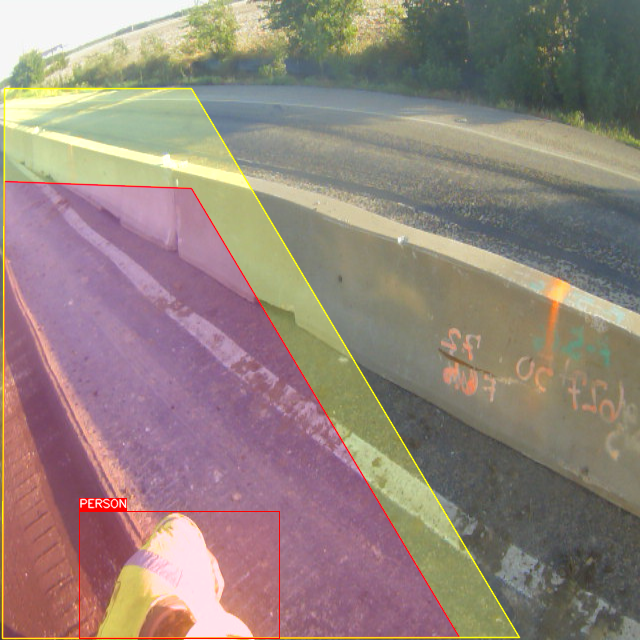
Computer vision
Detect people, PPE, machines, zones, obstacles and hazards, including a worker identified from a limb or partial view behind an obstruction.
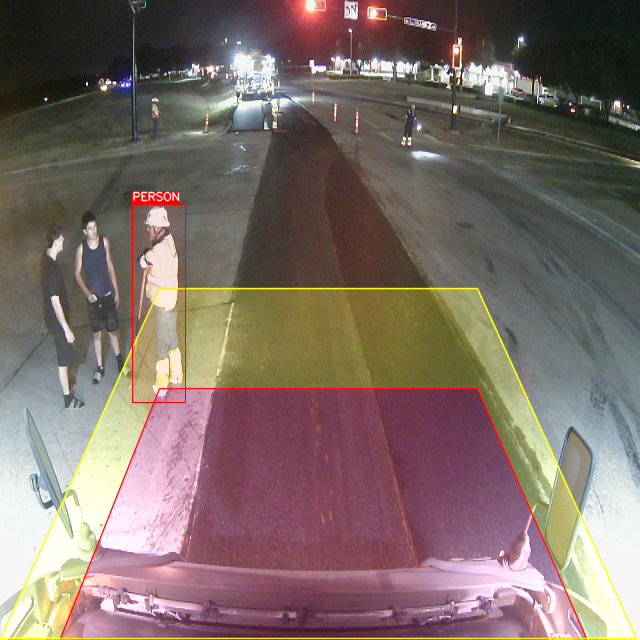
Contextual intelligence
Compute proximity, direction, trajectory, blind spots and operational context, so a worker walking past a machine reads differently to one walking into its path.
Risk intelligence
Identify what is likely to happen next, not just what is happening now, turning a converging path into a risk score before it closes.
Real-time physical AI
Warn the operator immediately through audio and visual alerts on the equipment itself, with no dependence on connectivity to the office.